Ingredients · Lines 1, 5 and 6
Maca, eleuthero and astragalus in Payarmin: what the label allows
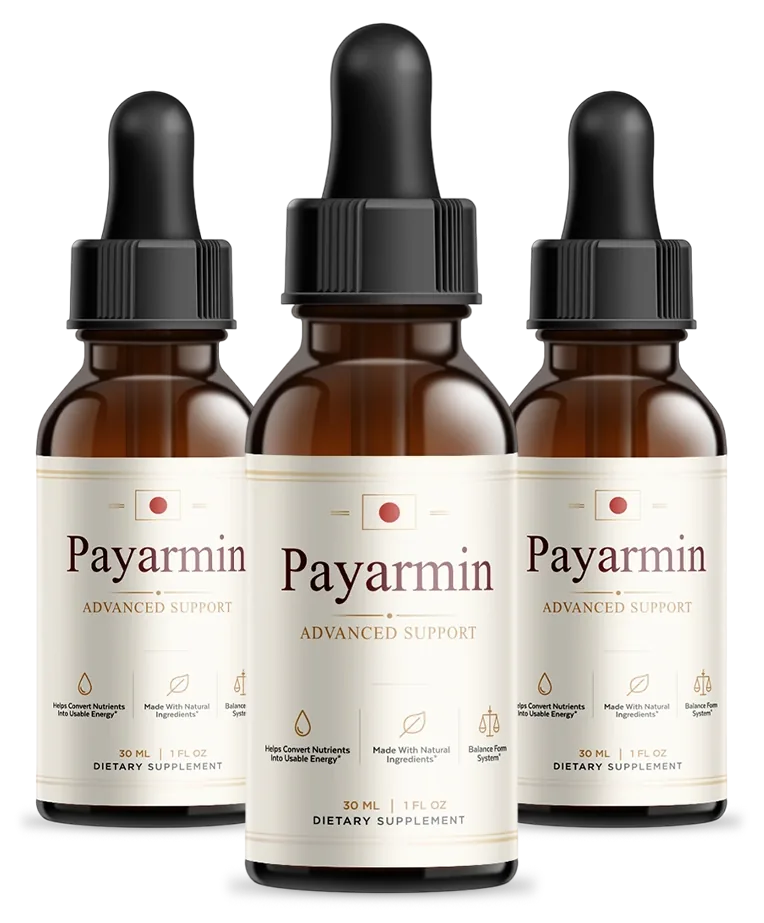
Maca, eleuthero and astragalus are three plant-root lines in the Payarmin blend, listed 1st, 5th and 6th of 22. The label hides each amount. The listing order caps them at 200, 40 and 33.3 mg per mL. None has a blood sugar trial behind it on this label.
Written by the Payarmin meter deskUpdated
Meter readings01
What are maca, eleuthero and astragalus doing in Payarmin?
They are three root extracts in the 22-line proprietary blend, sitting at places 1, 5 and 6 on the Supplement Facts panel.
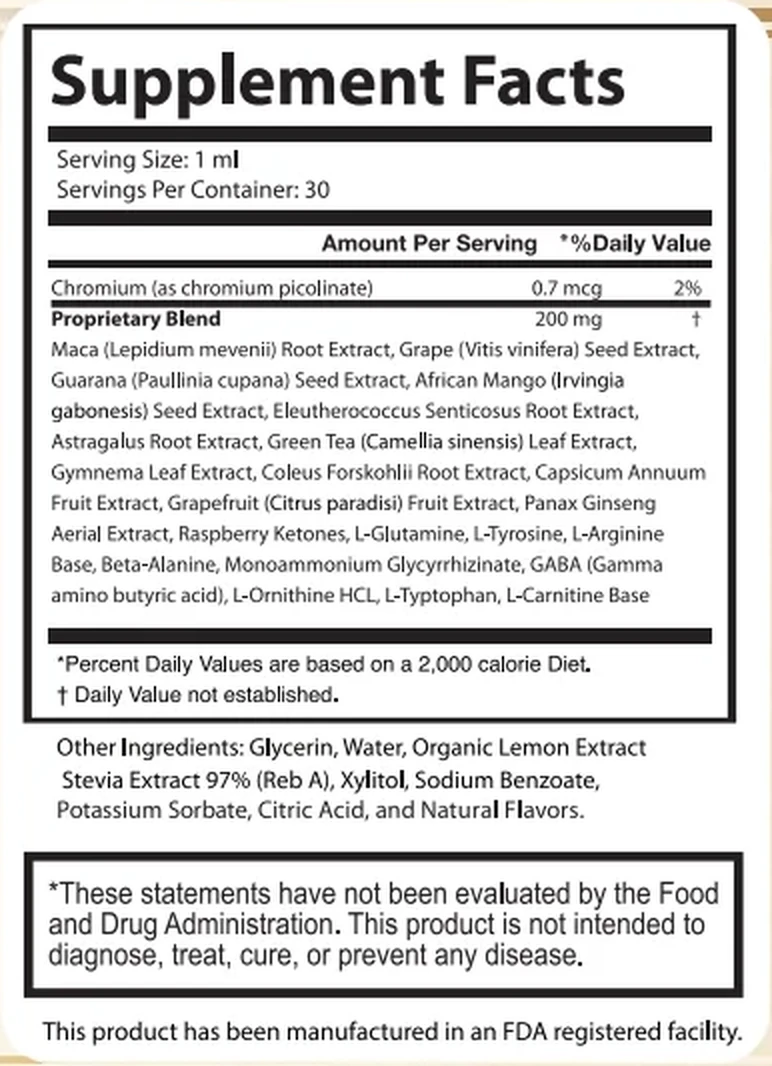
The panel lists the blend as 200 mg per 1 mL serving and names the lines from most to least by weight. It does not print the weight of any single line. That is allowed for blends under 21 CFR 101.36 (21 CFR 101.36 (eCFR)).
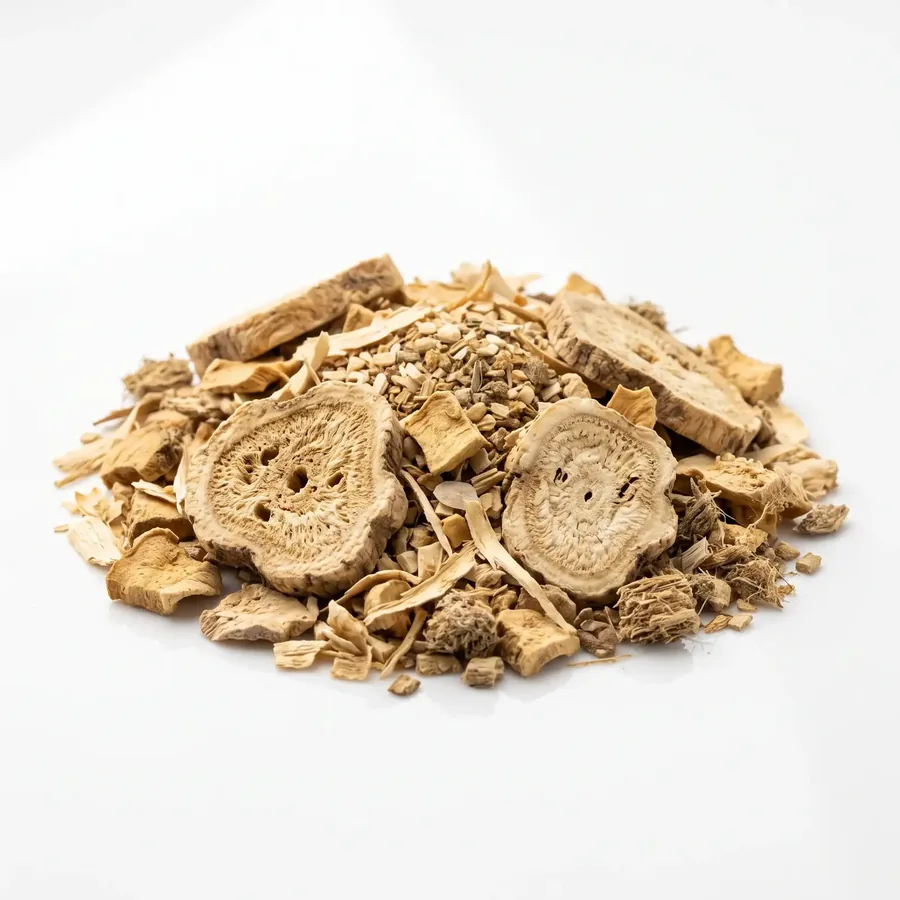
Maca is the first name on the list. Eleuthero is fifth, and astragalus is sixth. Eleuthero is also called Siberian ginseng. All three are sold as tonics, and the word "adaptogen" is a marketing label, not a measured property.
The sales page does not name any of the three. It names six ingredients; the label shows 23 lines. We follow the label.
The ceiling math02
How much maca, eleuthero and astragalus is in one serving?
Nobody outside the maker can say, but the label sets an upper limit for each line: 200 divided by its place number.
Line k can weigh at most 200 / k mg, because every line above it weighs the same or more. That gives maca up to 200 mg, eleuthero up to 40 mg and astragalus up to 33.3 mg per mL.
A ceiling is not a measurement. If maca took the full 200 mg, the other 21 lines would have nothing, which the order of the list rules out in practice. An even split gives each line about 9.09 mg.
| Line | Place | Most per mL | Even split | Research amount |
|---|---|---|---|---|
| Maca root extract | 1 of 22 | 200 mg | 9.09 mg | Studied for other uses, not blood sugar |
| Eleuthero root extract | 5 of 22 | 40 mg | 9.09 mg | 800 mg a day in one trial |
| Astragalus root extract | 6 of 22 | 33.3 mg | 9.09 mg | No blood sugar dose established |
Worked example for eleuthero: the one trial dose we cite was 800 mg a day. At the 40 mg ceiling, 1 dropper (assumed 1 mL) gives at most 5% of that. Two droppers give at most 10%.
The label does not print how much one dropper holds. We assume 1 mL, the serving size. A smaller dropper lowers every number above.
Line 103
What does the research say about maca?
Maca has only a few small human trials, mostly on sexual function and menopause symptoms, and reviews rate that evidence as limited (MSKCC, Maca).
The cancer center page we cite does not mention blood sugar at all. So there is no maca dose to compare with the label, and no reading to take from it.
Maca may not be safe in pregnancy or breastfeeding, and people with hormone-sensitive cancers are told to talk to a provider (MSKCC, Maca). The Payarmin label already asks pregnant or nursing mothers to see a physician first.
Because maca is listed first, it may be the largest single line. That makes it the one most likely to matter to anyone with a plant allergy or a hormone question. Ask a pharmacist with the full label in hand.
Line 504
Does eleuthero (Siberian ginseng) affect blood sugar or medicine?
Human studies of eleuthero are limited, and the blood sugar findings we found come from animal studies (MSKCC, Siberian Ginseng (Eleuthero)).
The reading that matters for medicine is digoxin. A case report found eleuthero raised blood digoxin levels, and it may make digoxin blood tests read falsely high (MSKCC, Siberian Ginseng (Eleuthero)). Anyone on digoxin should ask the prescriber before using the drops.
Eleuthero is not the same plant as Panax ginseng, which has its own line (12th) and its own page. See Panax ginseng in Payarmin.
Keep taking prescribed medicine exactly as directed. A supplement does not replace it.
Line 605
Is astragalus in Payarmin backed by evidence?
Not on this label: the NIH center finds no sufficient reliable evidence that astragalus helps any health condition (NCCIH, Astragalus).
A 2024 review of 20 mostly low-quality studies reported that astragalus added to metformin lowered fasting glucose and A1C more than metformin alone (NCCIH, Astragalus). Those studies tested astragalus beside a drug, in a different form and at unknown doses. They do not describe a hidden fraction of a 33.3 mg ceiling.
The same source says people with autoimmune disease should avoid astragalus, and it may interact with immune-suppressing medicines (NCCIH, Astragalus).
- Ceiling: 33.3 mg per mL, so 66.6 mg at most from 2 droppers.
- Research amount: none established for blood sugar.
- Flag: autoimmune disease or immune-suppressing drugs.
Payarmin: from $49 a bottle30 mL · 2, 3 or 6 bottles · free US shipping on 3 and 6 · 60-day results-or-refund guarantee
See packsLine by line06
What does the label show for each of the three lines?
The tables below copy what the label prints and set it beside the research, one table per line.
Rows marked "Not listed" are not hidden by us. The panel does not print them. No extract-ratio footnote appears on the label either, so the plant weight behind each extract is unknown.
| Label name | Maca (Lepidium meyenii) Root Extract |
|---|---|
| What it is | Lepidium meyenii, Andean root |
| Place on the label | 1 of 22 in the 200 mg proprietary blend |
| Amount per 1 mL serving | Not listed; #1 of 22 in the 200 mg blend, so at most 200 mg per mL |
| Extract footnote | None printed |
| Amount used in research | Studied for other uses, not blood sugar |
| Strength of evidence | No blood sugar trials |
| Marketed or traditional use | Traditional Andean food and tonic |
| Main caution | Not for pregnancy or breastfeeding (the label already excludes both). |
| Label name | Eleutherococcus Senticosus Root Extract |
|---|---|
| What it is | Siberian ginseng root |
| Place on the label | 5 of 22 in the 200 mg proprietary blend |
| Amount per 1 mL serving | Not listed; #5 of 22 in the 200 mg blend, so at most 40 mg per mL |
| Extract footnote | None printed |
| Amount used in research | 800 mg a day in one trial |
| Strength of evidence | No effect in rigorous studies |
| Marketed or traditional use | Traditional tonic |
| Main caution | Can raise digoxin levels. |
| Label name | Astragalus Root Extract |
|---|---|
| What it is | Astragalus membranaceus root |
| Place on the label | 6 of 22 in the 200 mg proprietary blend |
| Amount per 1 mL serving | Not listed; #6 of 22 in the 200 mg blend, so at most 33.3 mg per mL |
| Extract footnote | None printed |
| Amount used in research | No blood sugar dose established |
| Strength of evidence | Not established |
| Marketed or traditional use | Traditional Chinese herb |
| Main caution | Avoid with autoimmune disease or immune-suppressing drugs. |
Bottom line07
What is the bottom line on maca and adaptogens in Payarmin?
The three lines are present, small in an unknown way, and not tied to a blood sugar result on this label.
Maca is the only one that could weigh over 100 mg, and only if the other lines are tiny. Eleuthero and astragalus are capped at 40 and 33.3 mg. Compare that with 800 mg for the eleuthero trial.
Check the whole formula, not one line, and ask your doctor or pharmacist first if you use digoxin, immune-suppressing drugs, insulin or a sulfonylurea.
FAQ09
Maca, eleuthero and astragalus questions
How much maca is in Payarmin?
Not printed. Maca is the first of 22 blend lines, so it can weigh at most 200 mg per 1 mL serving, and an even split gives about 9.09 mg. The real figure sits somewhere in that range and only the maker knows it.
Is maca in Payarmin safe during pregnancy or nursing?
Pregnant or nursing mothers are told by the label to consult a physician first. Maca may not be safe in pregnancy or breastfeeding, and little is known (MSKCC, Maca). Ask your doctor before using any line of the blend, not only maca.
Is eleuthero the same as Panax ginseng in Payarmin?
No. Eleuthero (Siberian ginseng) is the 5th line and an unrelated plant from Panax ginseng, the 12th line. They are separate extracts with separate ceilings, 40 mg and 16.7 mg, and separate research.
Does eleuthero interact with digoxin?
A case report found eleuthero raised blood digoxin levels, and it may cause falsely high digoxin test results (MSKCC, Siberian Ginseng (Eleuthero)). If you take digoxin, ask the prescriber or pharmacist before using Payarmin.
What does astragalus do in Payarmin?
The label does not say. Astragalus is the 6th blend line, capped at 33.3 mg per mL, and the NIH center finds no sufficient reliable evidence it helps any health condition (NCCIH, Astragalus).
Are maca, eleuthero and astragalus adaptogens that lower blood sugar?
No source we cite shows that. Adaptogen is a sales word. Maca research does not cover blood sugar (MSKCC, Maca), eleuthero blood sugar findings are from animals (MSKCC, Siberian Ginseng (Eleuthero)), and astragalus evidence is thin (NCCIH, Astragalus).
Who should avoid astragalus?
People with autoimmune disease should avoid it, and it may interact with medicines that suppress the immune system (NCCIH, Astragalus). If either applies to you, talk to your doctor before the drops.
Who wrote this10
Written and reviewed by
Pages built from the label, the sales page and linked NIH, FDA, CDC, FTC and peer-reviewed sources.
Last updated . Read our editorial standards, and the way we check reviews. This website is a U.S. retail partner for Payarmin, not the manufacturer or the label's distributor. Buying through our order links earns us money.
Keep reading
More about Payarmin
U.S. retail partner for Payarmin
Ready to try Payarmin?
Start by checking your medicines, then pick a pack. Six bottles cost the least per bottle, and three or six ship free in the US. The 60-day guarantee counts from the day you buy.
- Secure checkout
- 60-day money-back guarantee
- Ships from the U.S.